
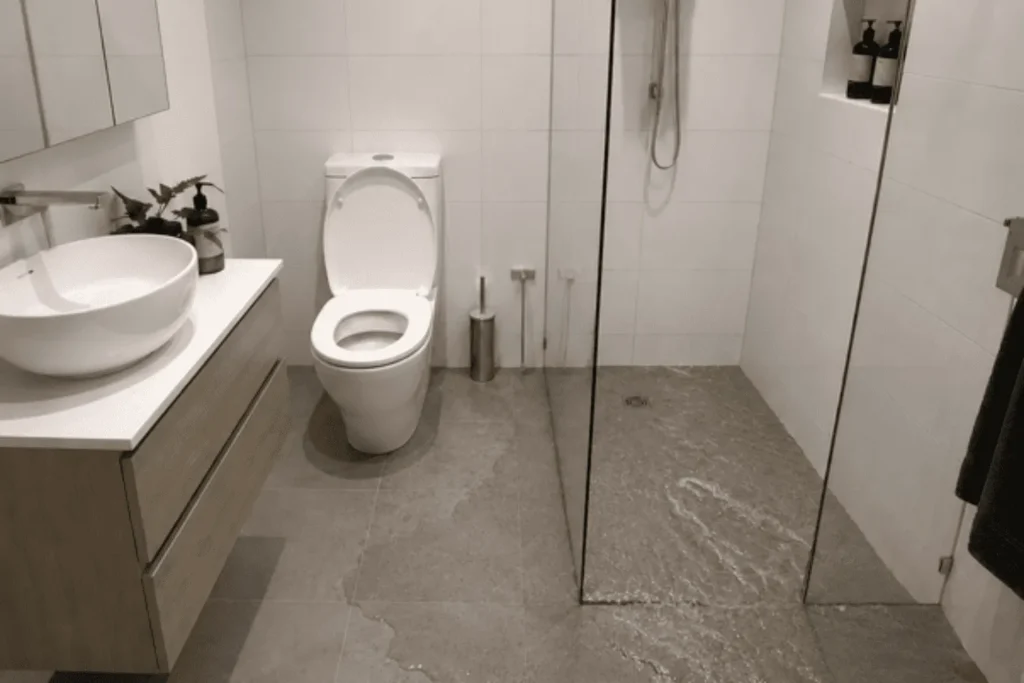
Moisture damage is one of the most common and costly problems affecting homes across Melbourne. With the city’s unpredictable weather, cooler winters, heavy rainfall periods, and changing temperatures, properties can become vulnerable to hidden moisture issues that may lead to structural damage, mould growth, timber decay, and expensive repairs if left untreated.
Many homeowners don’t notice the early warning signs until visible damage has already occurred. Understanding the most common causes of moisture problems can help protect your property and reduce long-term maintenance costs.
1. Poor Drainage Around the Property
One of the leading causes of moisture damage in Melbourne homes is inadequate drainage. When rainwater is not directed away from the property correctly, excess water can build up around foundations, subfloors, and external walls.
Common drainage problems include:
- Blocked or overflowing gutters
- Poorly positioned downpipes
- Inadequate stormwater systems
- Sloping ground directing water toward the home
- Pooling water around foundations
Over time, excess moisture around the structure can contribute to movement, cracking, dampness, and deterioration of building materials.
2. Roof Leaks and Damaged Roofing Materials
Melbourne’s changing weather conditions, strong winds, and heavy rain can place significant stress on roofing systems. Even minor roof damage can allow water to slowly enter the property and cause hidden moisture issues inside ceilings and walls.
Common roof-related moisture problems include:
- Broken roof tiles
- Rusted roof sheeting
- Damaged flashing
- Blocked gutters and valleys
- Poor roof maintenance
Because roof leaks are often concealed, moisture damage may go unnoticed until staining, mould, or ceiling damage becomes visible internally.
3. Poor Ventilation and Condensation
Condensation is a growing issue in many Melbourne homes, particularly during colder months. Poor ventilation allows moisture to build up indoors, especially in bathrooms, laundries, kitchens, and bedrooms.
Warm indoor air combined with cooler surfaces can create condensation, leading to:
- Mould growth
- Damp walls and ceilings
- Musty odours
- Peeling paint
- Damage to plaster and timber
Homes with limited airflow, sealed windows, or insufficient exhaust ventilation are especially vulnerable during winter.
4. Plumbing Leaks and Hidden Water Damage
Small plumbing leaks can cause major damage over time if they remain undetected. Leaking pipes behind walls, under sinks, beneath flooring, or inside roof cavities can slowly introduce moisture into building materials.
Common signs of hidden plumbing leaks include:
- Bubbling paint
- Damp or swollen skirting boards
- Water staining
- Mould patches
- Increased humidity indoors
Because these leaks are often concealed, professional inspections can play an important role in identifying moisture problems before they escalate.
5. Rising Damp and Subfloor Moisture
Older Melbourne homes are particularly susceptible to rising damp and excess subfloor moisture. When moisture rises from the ground through brickwork, concrete, or timber, it can damage flooring, walls, and structural materials.
Contributing factors may include:
- Inadequate damp proofing
- Poor subfloor ventilation
- High ground moisture levels
- Drainage issues around the home
Signs of rising damp can include salt deposits on walls, peeling paint, damp odours, timber decay, and uneven flooring.
Why Moisture Damage Should Never Be Ignored
Moisture problems rarely improve on their own. Left untreated, they can lead to:
- Structural deterioration
- Timber rot
- Termite attraction
- Mould growth
- Health concerns
- Expensive repair works
Early identification is key to preventing further damage and maintaining the safety and value of your property.
The Importance of a Professional Building Inspection
A professional building inspection can help identify hidden moisture issues before they become serious problems. Experienced inspectors use industry knowledge and specialised equipment to detect signs of water ingress, dampness, ventilation issues, and structural concerns that may not be immediately visible.
At BuildInspect Melbourne, we provide detailed building inspections designed to help homeowners and buyers understand the true condition of their property and avoid costly surprises.
If you are concerned about moisture damage, leaks, or dampness in your home, contact our team today to arrange a comprehensive inspection.